
Performance that can be measured
ALBON's system has been deployed in the field. Here's what the Wiley Park pilot showed – and how our industrial performance projections are derived.
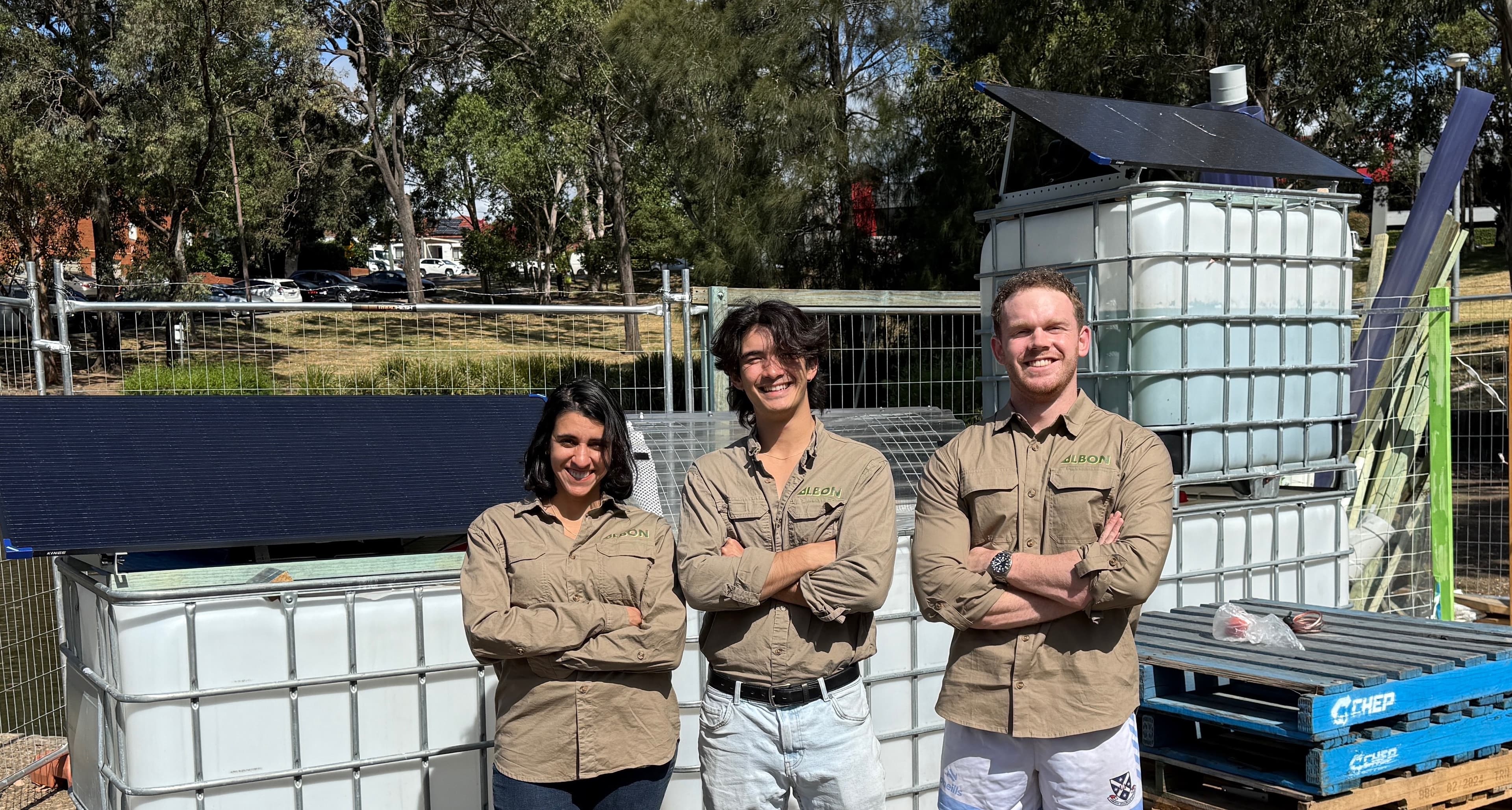
Building the technology.
Proving it in the real world.
6months
Live pilot duration
2
Deployment sites
3+
Industry partnerships
2023–24
Founded. Lab-scale testing completed.
Lab-scale prototype built and algae–bacteria nutrient removal confirmed at bench scale.
2025
Deployed in the field.
Pilot system at Wiley Park, Canterbury Bankstown. Independent monitoring confirmed blue-green algae suppression and nutrient load reduction.
2026
First commercial deployments.
Paid dairy pilot confirmed. Commercial discussions progressing with agri-food operators across meat processing and dairy.
2027+
Scaling across Australia.
Expanding modular deployments across dairy, meat processing, and nutrient-sensitive waterways.
Blue-green algae suppressed. Nutrient load reduced.
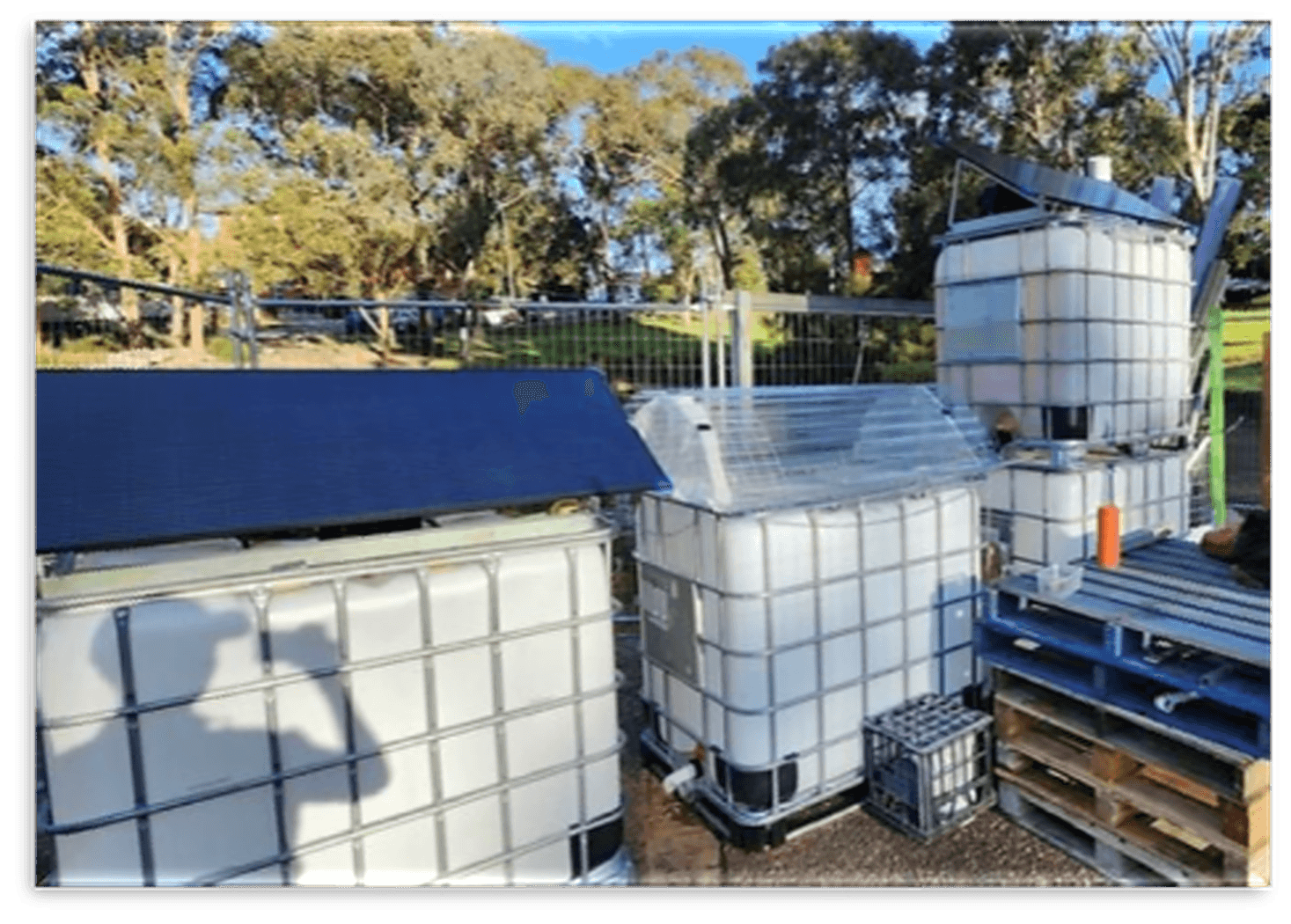
ALBON pilot photobioreactor
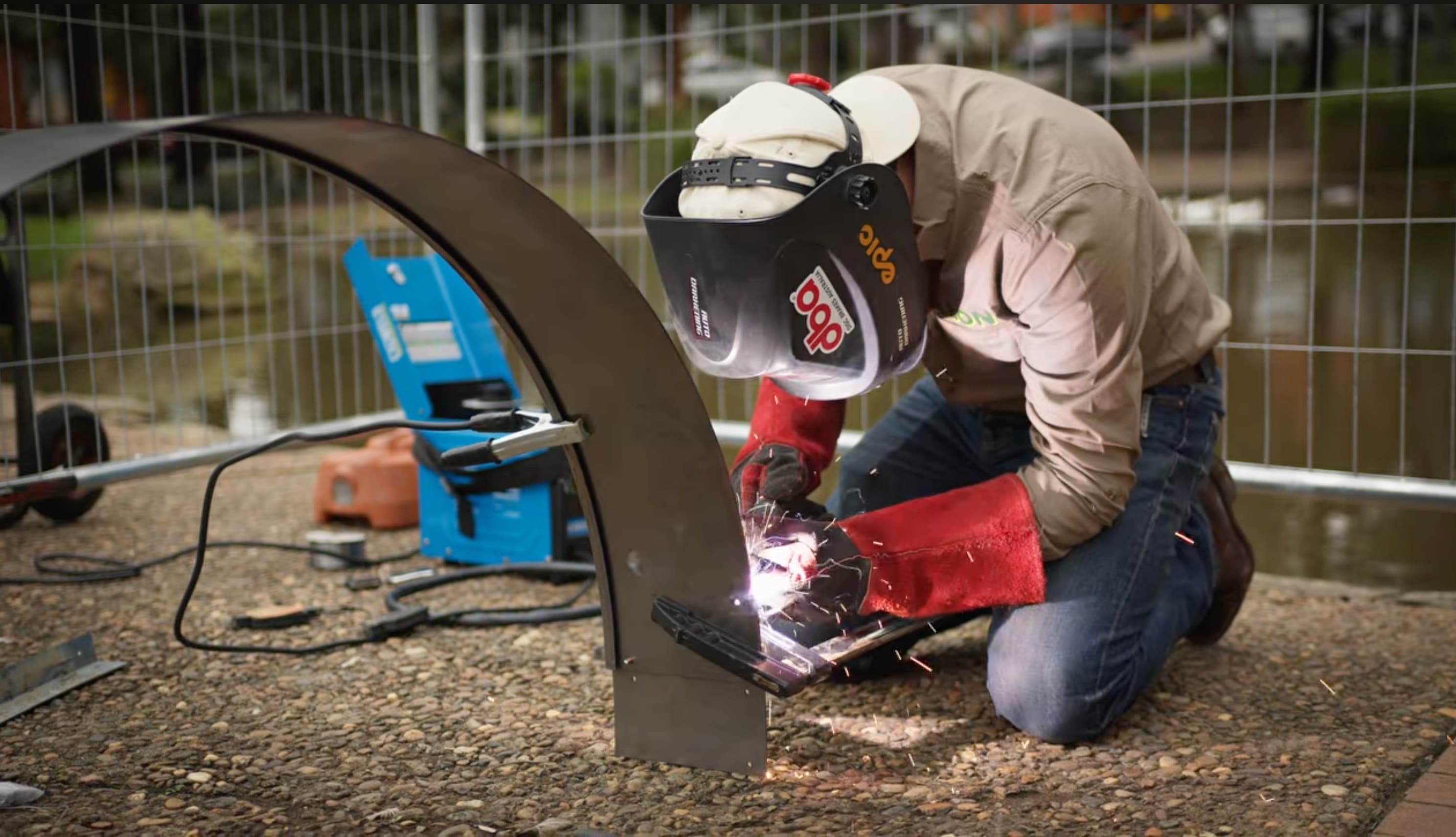
On-site installation work
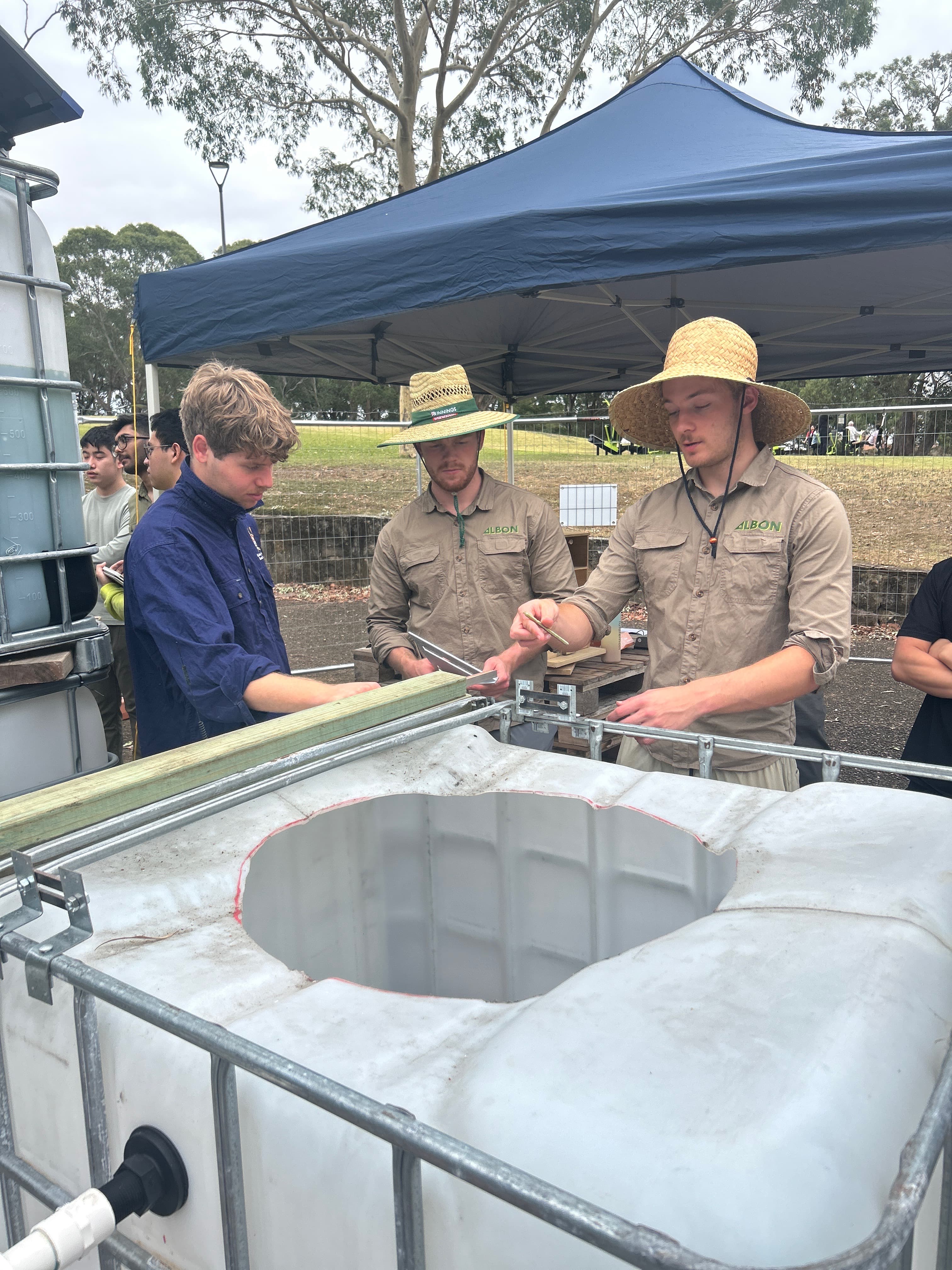
ALBON team refining the pilot system
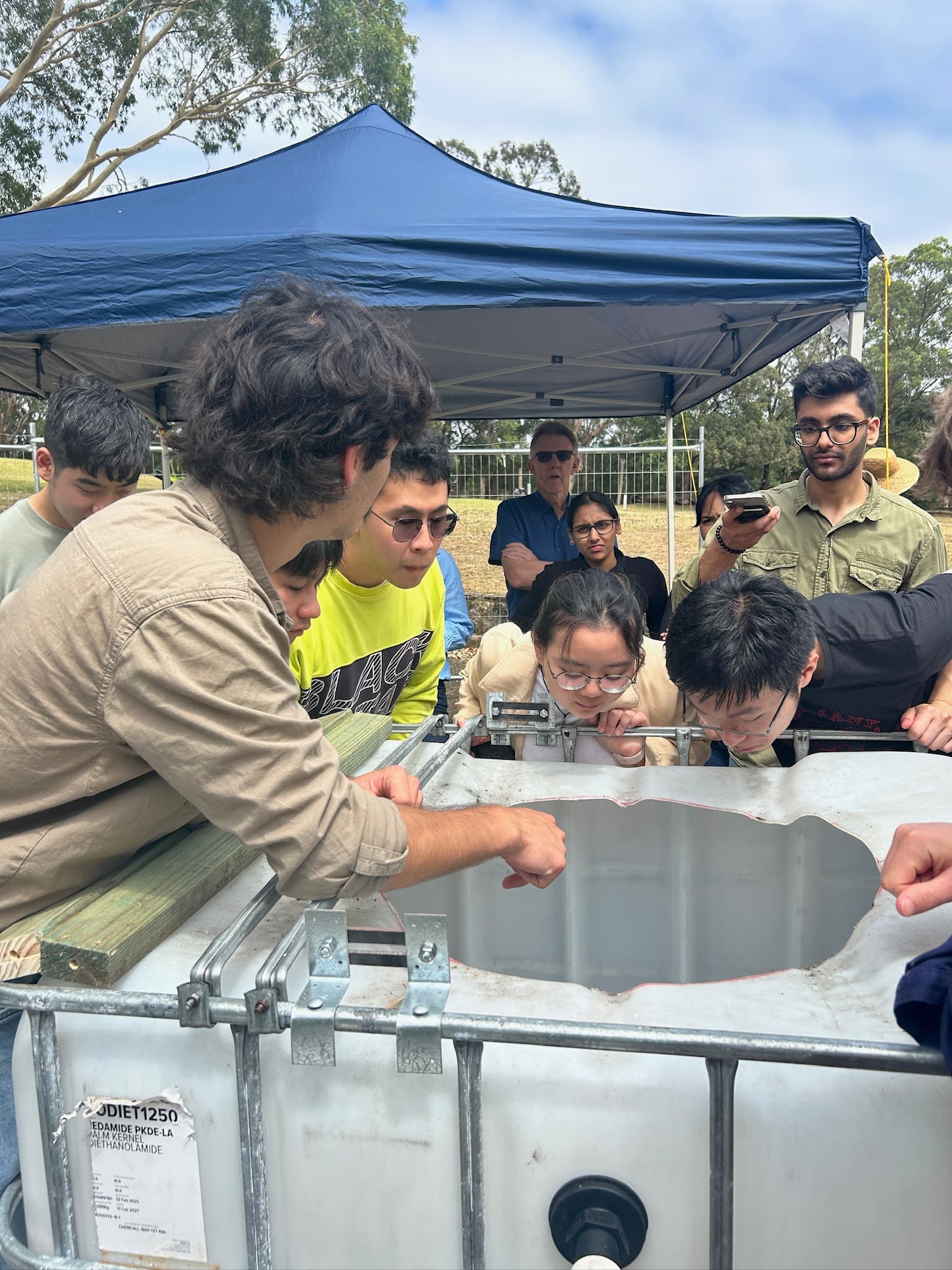
Community demonstration at Wiley Park
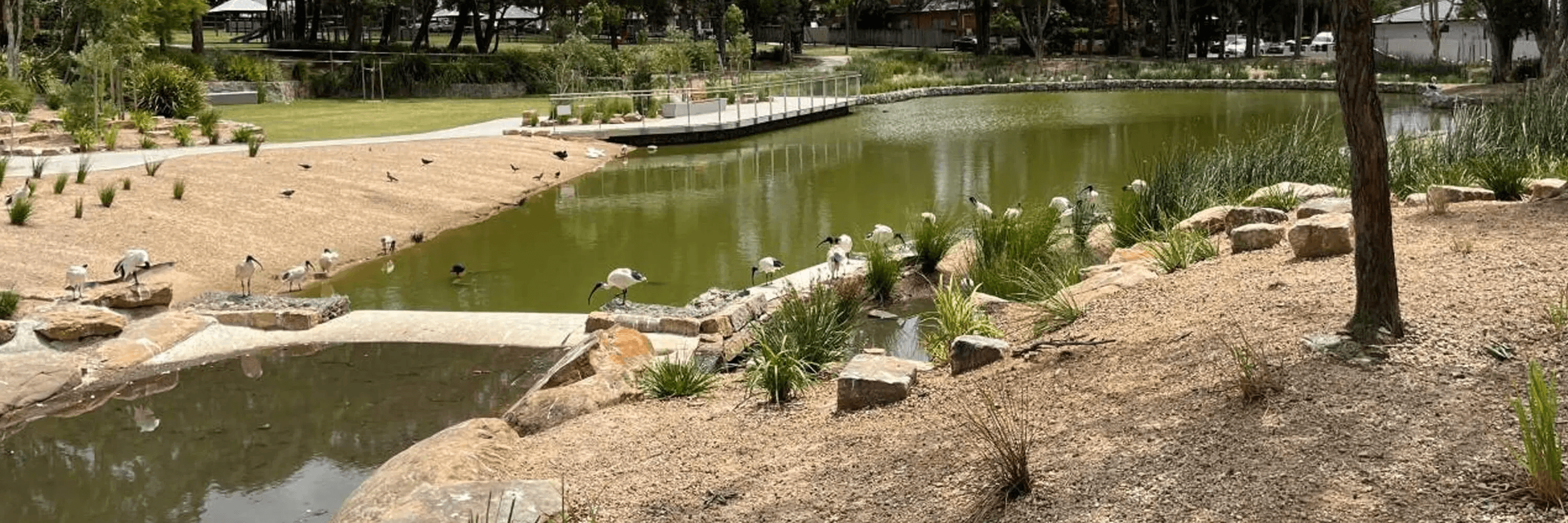
Wiley Park South Pond – the problem being solved
01
Algae
Suppressed
Blue-green algae cell counts reduced while the ALBON system was operational.
02
Nutrient load
Reduced
Water quality and nutrient load improvements recorded across all monitoring periods.
03
Results
Validated
Independently confirmed by Canterbury Bankstown Council environmental officers.
“Cell counts of blue-green algae species were reduced while your equipment was operational, which did help the overall pond system.”
— Lachlan W Prentice·Environmental Project Officer·Canterbury Bankstown Council
Harvested biomass locks carbon in the soil
Algal biomass converts to biochar on-site, a stable soil amendment that sequesters carbon for decades. For every tonne of biochar produced, ALBON will capture approximately 2.8 tonnes of CO2 from the atmosphere.
2.8t
CO2 captured per tonne of biochar
Decades
of stable carbon storage
Zero
sludge to landfill
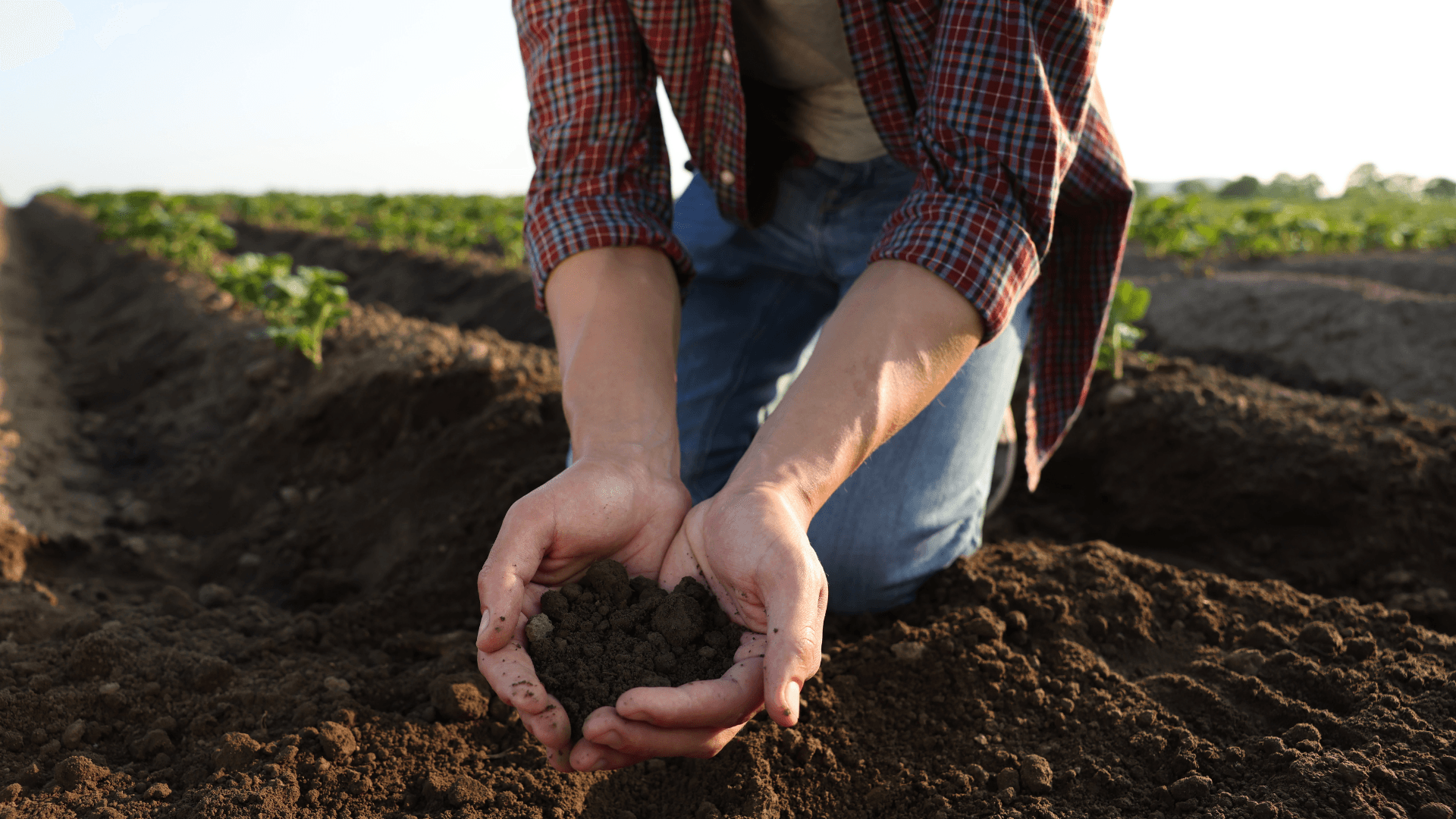
Contributing to global sustainability goals




Tangible impact on the environment
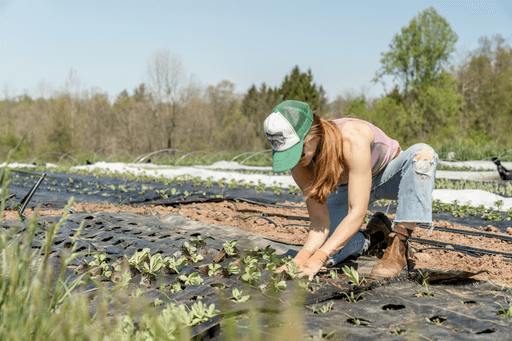


Want performance data specific to your site?
We'll model expected outcomes based on your current effluent quality and flow rates.
Book a Site Assessment